- Welcome to Rwanda Organization of Persons with Deaf Blindness
News/Blog
Living in silence and darkness: The invisible struggles of Persons with Deaf-Blindness in Rwanda
By Francine UWAYISABA
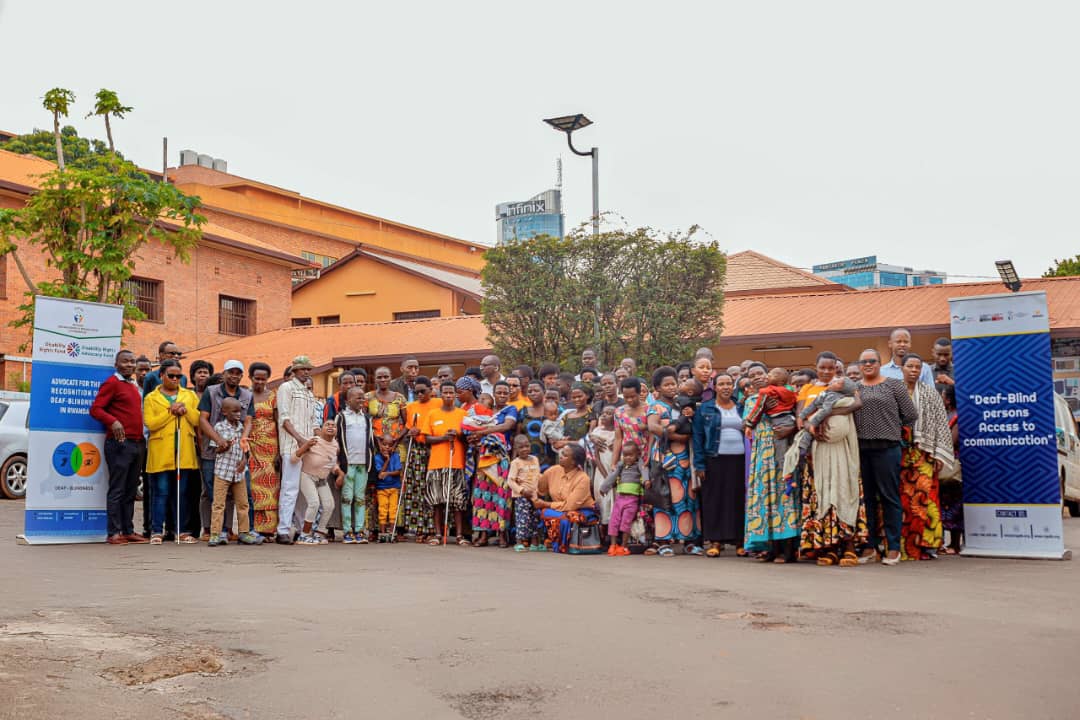
In the bustling streets of Kigali, where conversations flow in Kinyarwanda and other languages, and the rhythm of daily life is carried by sound and sight, yet there exists a community whose voices are rarely heard and whose experiences remain largely unseen. Persons with deaf-blindness in Rwanda live at the intersection of silence and darkness, navigating a world that often overlooks their existence. Their stories of resilience, innovation, and quiet determination reveal both the profound challenges of isolation and the urgent need for inclusive systems that recognize their rights and humanity.
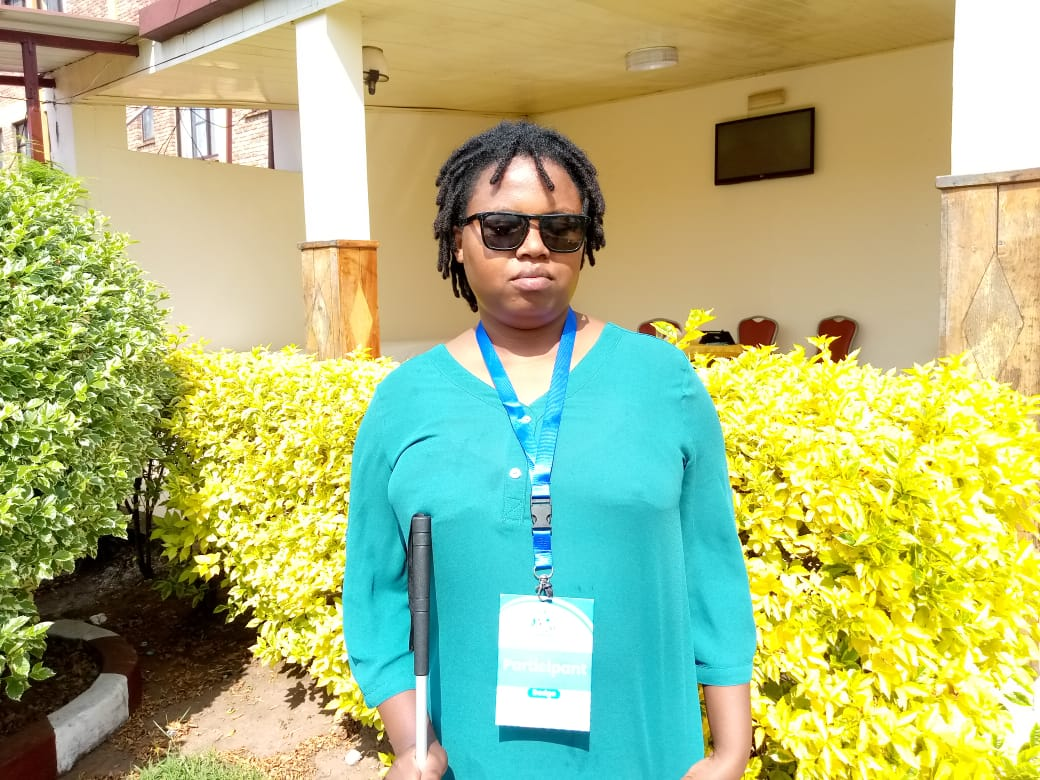
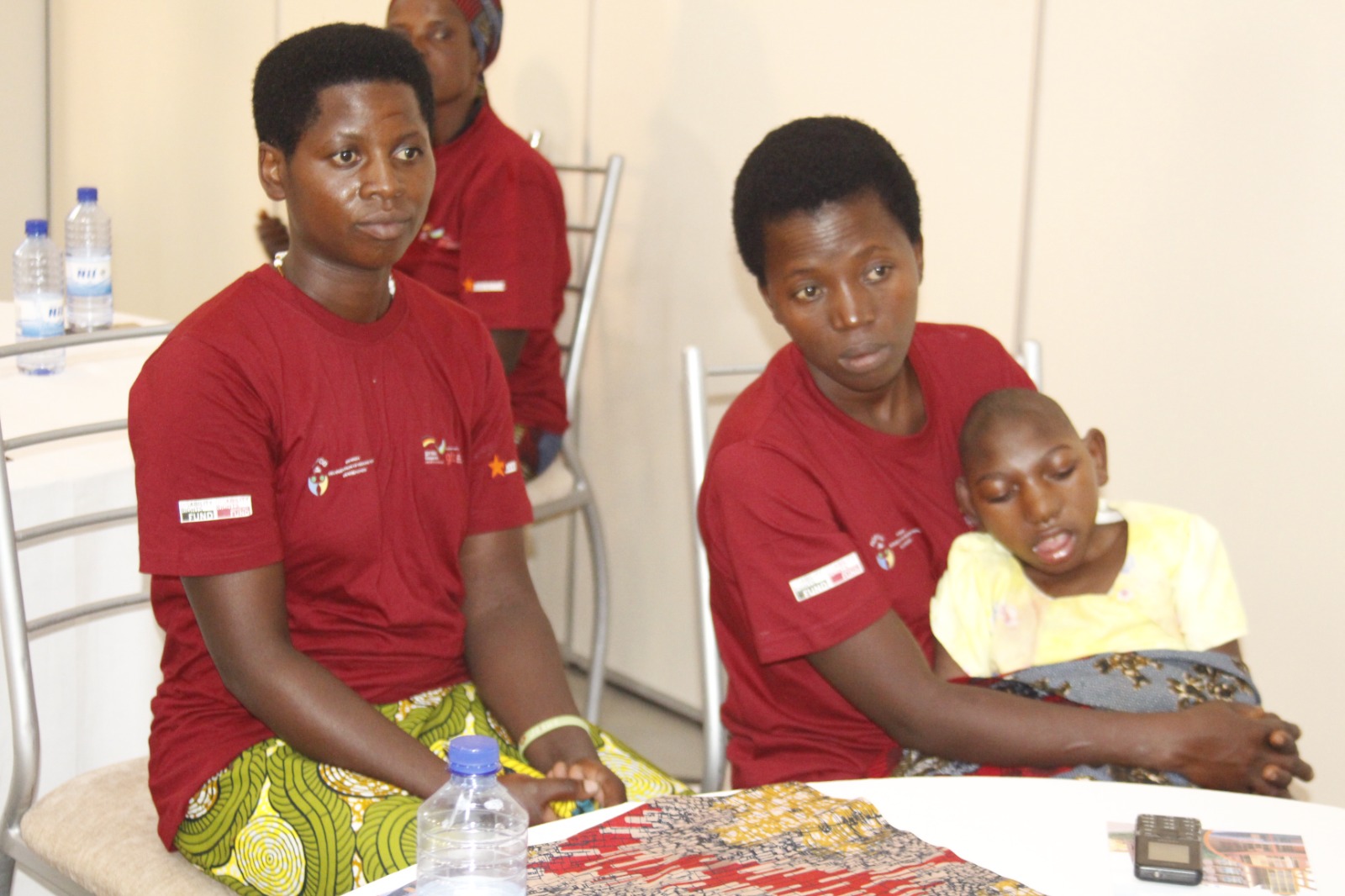
Figure 1: Naomi UWIZEYIMANA, a young lady with deaf-blindness
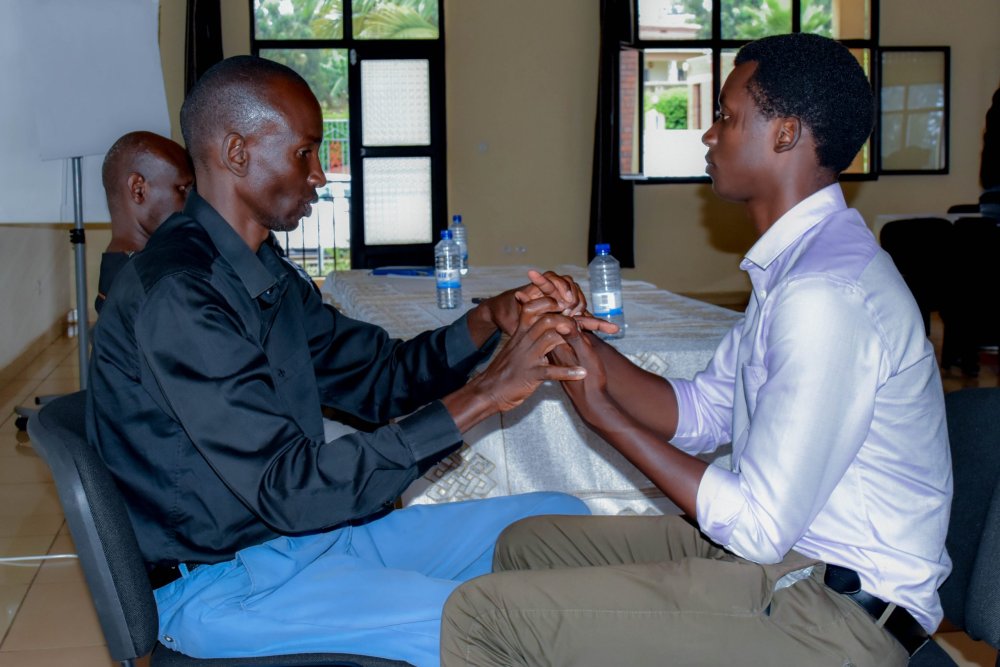
Naomi UWIZEYIMANA is a young woman who has been a Deaf-blind since childhood. Each day, she relies on tactile communication with her mother, tracing letters into her palm to express her needs. Despite her intelligence and creativity, Naomi has never attended formal school since the total disability. Her story is not unique, it reflects the reality of many Rwandans with deaf-blindness who remain uneducated, unemployed, and out of social participation.
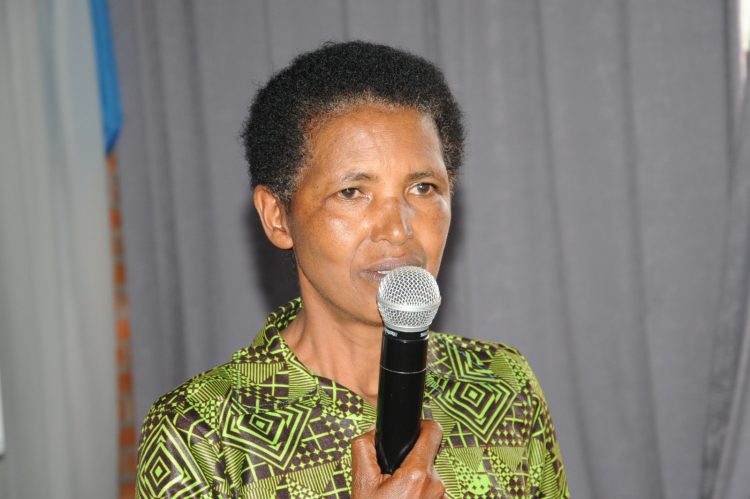
Although Rwanda has made significant strides in disability inclusion, guided by the National Council of Persons with Disabilities and commitments under the UN Convention on the Rights of Persons with Disabilities (UNCRPD). However, deaf-blindness remains largely invisible in policy frameworks. While sign language interpretation is slowly gaining recognition in media and public institutions, tactile sign language and specialized services for deaf-blind persons are almost nonexistent as explained by Joseph MUSABYIMANA, Executive Director of Rwanda Organization of Persons with Deaf-Blindness (ROPDB).
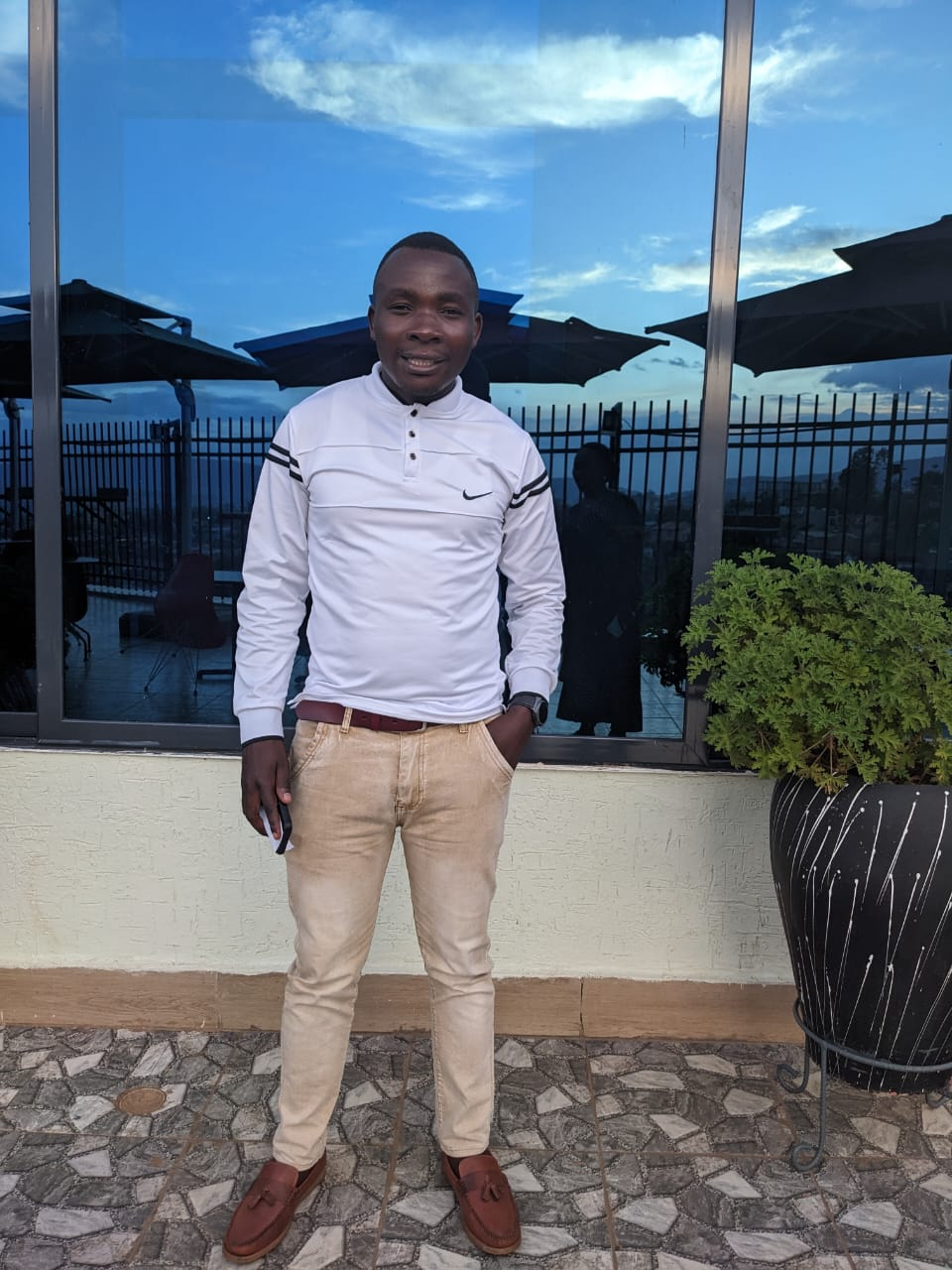
Figure 2: Joseph MUSABYIMANA, ROPDB Executive Director
He said that barriers confronting persons with deaf-blindness in Rwanda are not abstract, but lived realities that shape every aspect of daily life. From communication and education to employment and social acceptance, these challenges compound to create deep isolation.
“Without trained tactile interpreters, many deaf-blind individuals are forced to depend entirely on family members for communication. This lack of adapted education, limited employment opportunities, and persistent social stigma combine to isolate our community. We need urgent action to ensure that persons with deaf-blindness are recognized, supported, and included in every aspect of Rwandan society.” he said
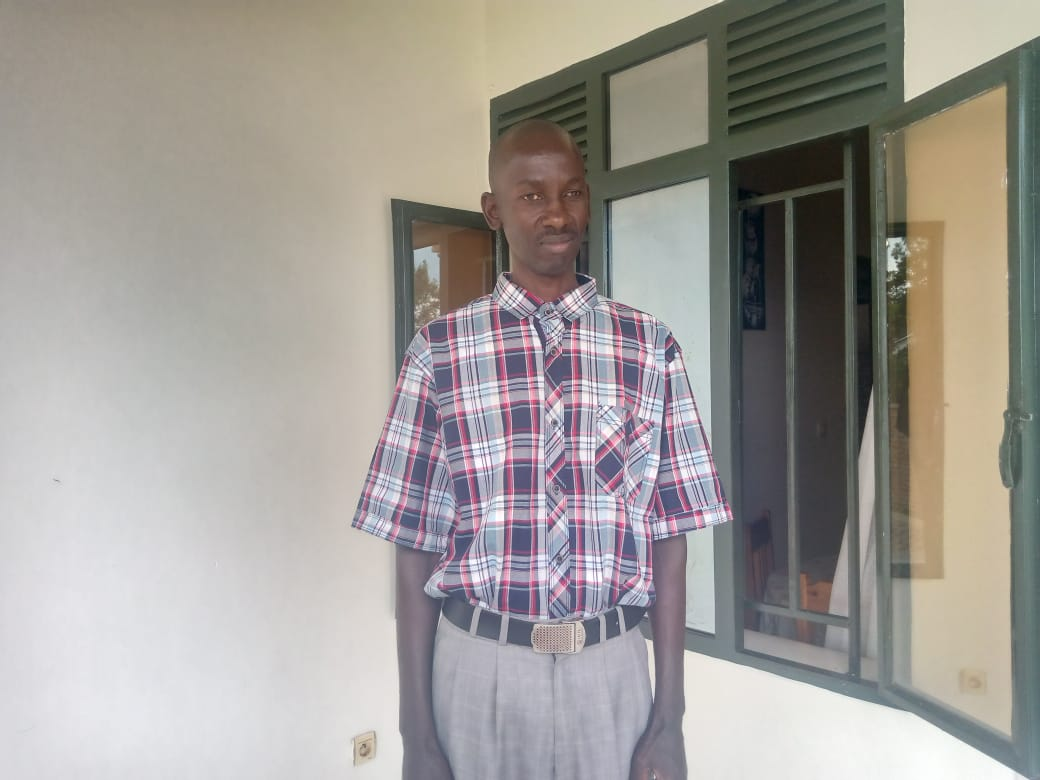
Figure 3: FURAHA Jean Marie, a man with Deaf-Blindness
Families and caregivers often develop creative ways to bridge communication gaps using touch-based signals, adapted gestures, or any other possible ways. Yet, as Furaha Jean Marie, a deaf-blind man, reminds us, family support alone is not enough.
“For us who are deaf-blind, having a supportive family is the first step toward dignity. But families alone cannot carry the whole burden, we also need opportunities to work, to contribute, and to live independently. Employment is not charity; it is recognition that we have skills and dreams like everyone else.” he noted
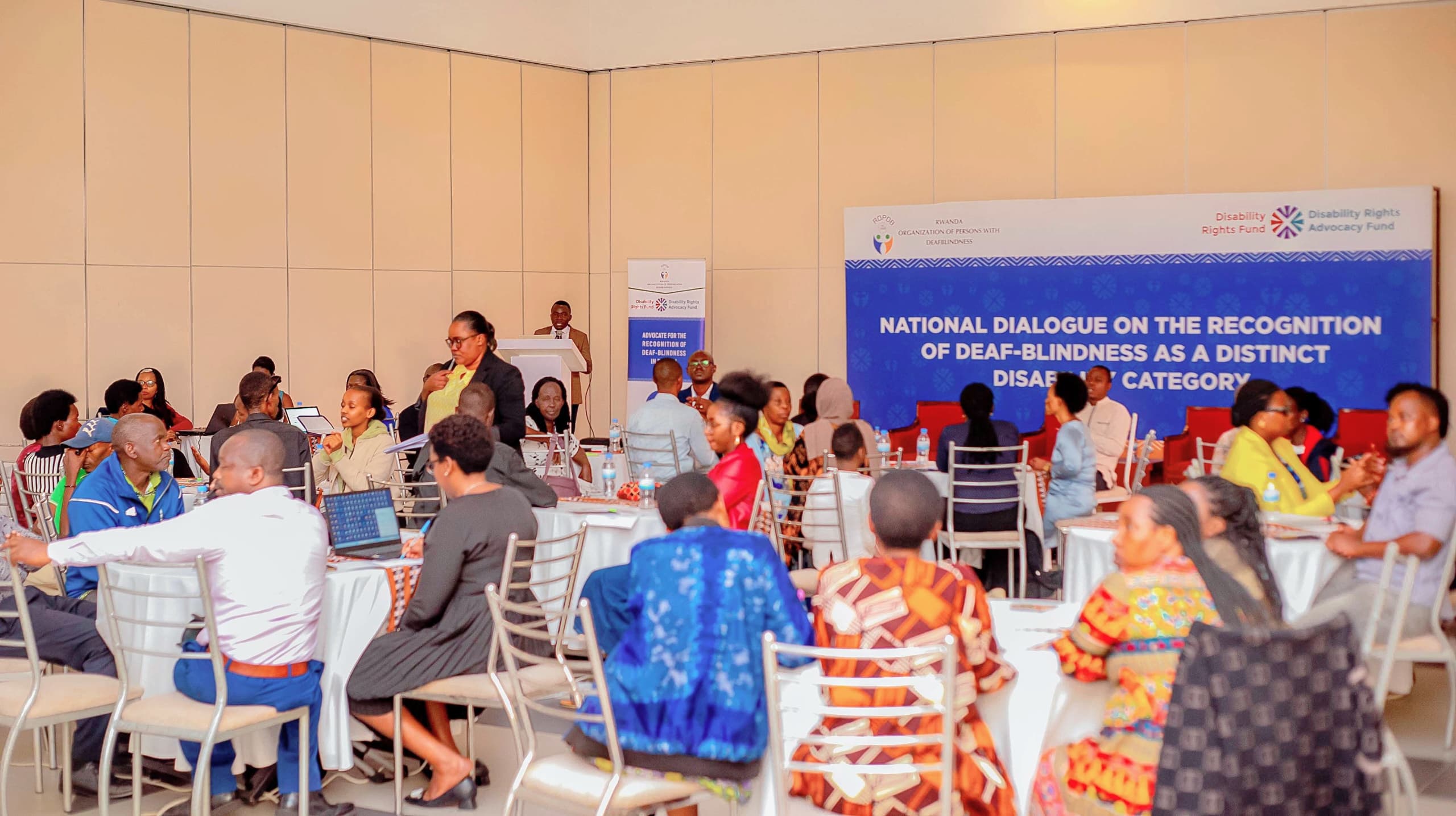
Rwanda Organization of persons with Deaf-Blind with other disability rights organizations in Rwanda are beginning to highlight the unique needs of persons with deaf-blindness. Advocates argue that inclusion cannot be partial, without recognizing this group, national disability strategies remain incomplete. Linking local efforts to global movements, they call for investment in interpreter training, assistive technology, and awareness campaigns.
“Persons with deaf-blindness cannot remain invisible in Rwanda’s disability agenda. Inclusion cannot be partial if this community is not included, our national strategies are incomplete. We need urgent investment in tactile interpreters, assistive technology, and awareness campaigns to ensure that Deaf-blind Rwandans are recognized as full citizens with equal rights.”
Despite national commitments to inclusion, many persons with deaf-blindness remain outside formal education and employment systems, highlighting a critical gap between policy and practice. The absence of trained professionals, limited assistive technologies, and persistent stigma continue to restrict their participation in society.
True inclusion requires more than policy commitments, it demands deliberate action, investment, and recognition. For persons with deaf-blindness in Rwanda, visibility, access, and dignity cannot wait. Transforming silence and darkness into participation requires a collective effort to build inclusive systems that leave no one behind. Only then can Rwanda fully realize its vision of equitable and inclusive development, where every citizen, regardless of ability, is empowered to contribute and thrive.
Recent News / Inkuru Ziheruka